
Food & Beverage Franchise Opportunities in Africa
Scale Your Restaurant or Food Business Across Africa’s Growing Markets
Africa’s food and beverage sector continues to grow as urban populations expand and consumer demand shifts toward convenient, branded dining experiences. From quick-service restaurants and cafés to casual dining and specialty food concepts, franchise models provide a proven path to scalable growth across diverse African markets.
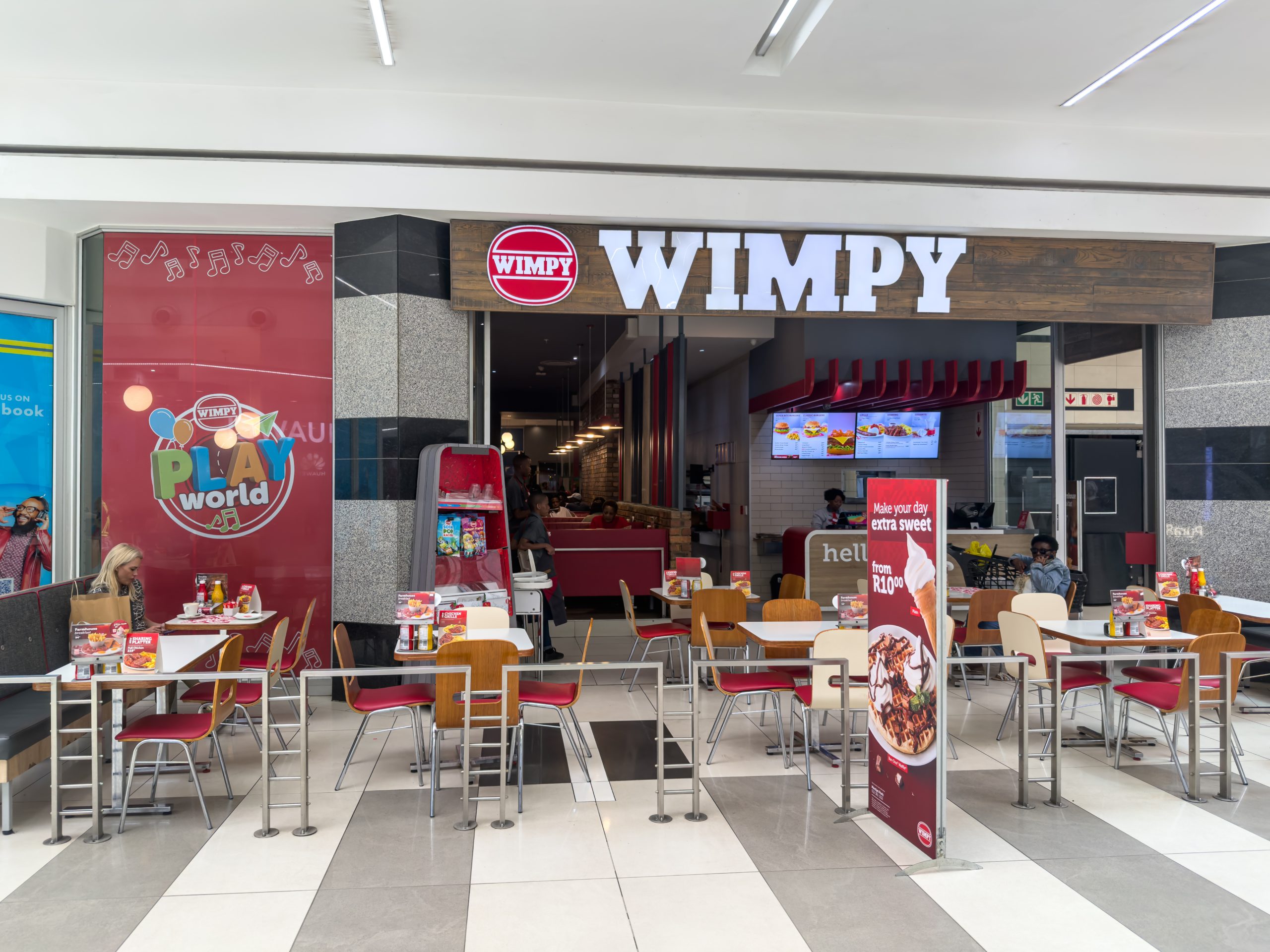
Africa's Dynamic Food & Beverage Market
From quick-service restaurants and coffee shops to bakeries and specialty food concepts, food and beverage franchises are capitalizing on Africa’s demographic dividend and increasing consumer spending power.
Market Potential in Africa
- Urban population growing at 3.5% annually, creating concentrated consumer markets
- Rising disposable incomes and expanding middle class
- Young population (60% under 25) embracing modern dining concepts
- Growing preference for branded, quality food experiences
- Mobile technology enabling delivery and digital ordering
- Infrastructure improvements supporting supply chain development
Food & Beverage Franchise Segments
Quick Service Restaurants
- Chicken and burger concepts
- Pizza delivery and takeaway
- African fusion fast food
- Sandwich and wrap shops
- Food court and mall locations
Coffee & Cafes
- Specialty coffee shops
- Café and bakery combinations
- African coffee roasteries
- Grab-and-go coffee kiosks
- Co-working café concepts
Bakeries & Desserts
- Artisan and retail bakeries
- Pastry and cake shops
- Ice cream and frozen dessert shops
- Donut and specialty dessert concepts
- African and international pastry combinations
Delivery & Cloud Kitchens
- Cloud kitchen operations
- Delivery-only restaurant brands
- Ghost kitchens with multiple concepts
- Meal prep and subscription services
- Catering and event food services
Why Franchising Works in Food & Beverage
Franchising in the food and beverage sector offers a structured path to growth by reducing operational risk and providing proven systems that franchisees can follow with confidence. Strong brand recognition helps drive consistent customer traffic, while repeat dining behavior supports predictable and recurring revenue.
As food brands expand, economies of scale in purchasing and supply chain management improve cost efficiency, while multi-unit development enables faster market penetration. When combined with proper location selection, these factors contribute to stronger unit economics and long-term franchise performance across diverse African markets.
Adapting Food Concepts to Local African Markets
Food and beverage success across Africa depends on more than brand strength alone. Local tastes, pricing expectations, ingredient availability, and dining habits vary widely between regions, making adaptation a key factor in long-term performance.
Franchise systems that balance standardized operations with menu flexibility and localized sourcing are better positioned to scale sustainably. This approach allows food brands to remain culturally relevant while maintaining operational consistency across diverse African markets.
How FMS Africa Supports F&B Franchises

Site Selection
Menu Adaptation
Supply Chain
Digital Integration
The FMS Africa Advantage
- Deep understanding of African consumer preferences and dining habits
- Experience with regulatory requirements across African markets
- Supplier networks for equipment and ingredients
- Labor and staffing models adapted for African markets
- Marketing strategies for local customer acquisition
- Multi-location expansion support across territories
Operational Scalability for Food & Beverage Franchises
Successful food and beverage franchising depends on operational consistency, efficient systems, and the ability to replicate quality across locations. From kitchen workflows to supplier coordination, scalable operations are critical for maintaining brand standards as networks expand.
Well-structured franchise models help food brands streamline training, control costs, and adapt operations to local conditions while preserving the core customer experience. This balance allows concepts to grow sustainably across multiple African markets without sacrificing quality or performance.